
 https://enotrans.org/wp-content/uploads/2026/11/Analysis-of-the-Federal-Transit-Administrations-Capital-Cost-Database.jpg
1400
2142
Grace Truslow
https://enotrans.org/wp-content/uploads/2022/12/Eno-Logo-2.png
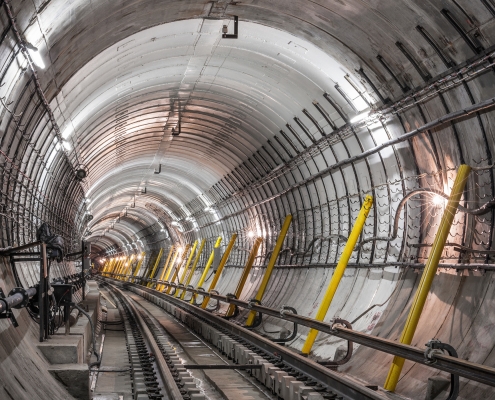
Grace Truslow2026-11-20 15:14:572026-11-20 15:31:13FTA’s Proposed CIG Changes and Project Delays Raise Concern
Federal, state, and local governments all play a significant role in funding $300 billion in annual transportation spending. The federal government supplies important capital funding for highways, transit systems, airports, waterways, and ports while also operating the nation’s air traffic control system. State and local governments have an equally important task to invest in and operate their transportation networks and rely on a broad range of revenue sources, from general revenues and debt, to fuel taxes, fees, and tolls.
https://enotrans.org/wp-content/uploads/2026/11/Analysis-of-the-Federal-Transit-Administrations-Capital-Cost-Database.jpg
1400
2142
Grace Truslow
https://enotrans.org/wp-content/uploads/2022/12/Eno-Logo-2.png
Grace Truslow2026-11-20 15:14:572026-11-20 15:31:13FTA’s Proposed CIG Changes and Project Delays Raise Concern https://enotrans.org/wp-content/uploads/2026/11/Capitol_Building_Full_View-845x321-2.jpg
321
845
Philip Plotch
https://enotrans.org/wp-content/uploads/2022/12/Eno-Logo-2.png
Philip Plotch2026-11-20 15:13:582026-11-20 15:13:58After the Midterms: Insights and Advice
 https://enotrans.org/wp-content/uploads/2026/11/Congestion.jpg
1414
2121
Grace Truslow
https://enotrans.org/wp-content/uploads/2022/12/Eno-Logo-2.png
Grace Truslow2026-11-13 14:34:072026-11-13 14:50:13Arizona Ballot Measures Raise Questions About Future of User-Pay System
 https://enotrans.org/wp-content/uploads/2026/11/pedestrian-safety.jpg
1414
2121
Grace Truslow
https://enotrans.org/wp-content/uploads/2022/12/Eno-Logo-2.png
Grace Truslow2026-11-06 15:23:262026-11-06 15:44:51FY26 SS4A Grants Awards Bring Questions about Discretionary Grant Funding Future
 https://enotrans.org/wp-content/uploads/2022/12/Eno-Logo-2.png
0
0
Karen Price
https://enotrans.org/wp-content/uploads/2022/12/Eno-Logo-2.png
Karen Price2026-11-05 16:56:102026-11-06 06:55:02From the Desk of Eno’s CEO: Policymakers Float Gas Tax Holiday, But Lower Prices Rarely Follow
 https://enotrans.org/wp-content/uploads/2026/02/BART.jpg
1414
2121
Philip Plotch
https://enotrans.org/wp-content/uploads/2022/12/Eno-Logo-2.png
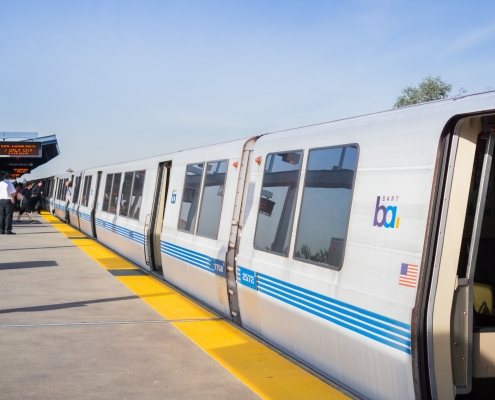
Philip Plotch2026-11-04 17:48:302026-11-06 15:46:16California Voters Choose Big Wins for Bay Area Transit
 https://enotrans.org/wp-content/uploads/2025/10/Vote.jpg
1414
2121
Sohail Husain
https://enotrans.org/wp-content/uploads/2022/12/Eno-Logo-2.png
Sohail Husain2026-11-04 17:24:282026-11-06 15:48:47Transportation at the Ballot Box 2026: Midterm Election Results
 https://enotrans.org/wp-content/uploads/2026/10/iStock-1315839079.jpg
1414
2121
Rebecca Higgins
https://enotrans.org/wp-content/uploads/2022/12/Eno-Logo-2.png
Rebecca Higgins2026-10-30 15:40:012026-10-30 15:40:01Transportation on the Campaign Trail
 https://enotrans.org/wp-content/uploads/2026/10/Ballot-Box-vote-image.jpg
1414
2121
Sohail Husain
https://enotrans.org/wp-content/uploads/2022/12/Eno-Logo-2.png
Sohail Husain2026-10-30 12:58:462026-10-30 15:37:52Transportation at the Ballot Box 2026: Database Examination
 https://enotrans.org/wp-content/uploads/2026/10/Capitol_Building_Full_View.jpg
823
1920
Philip Plotch
https://enotrans.org/wp-content/uploads/2022/12/Eno-Logo-2.png
Philip Plotch2026-10-29 14:46:122026-11-18 17:24:30After the Midterms: Transportation Planning and the Political Landscape
 https://enotrans.org/wp-content/uploads/2026/10/CAble.jpg
598
794
Philip Plotch
https://enotrans.org/wp-content/uploads/2022/12/Eno-Logo-2.png
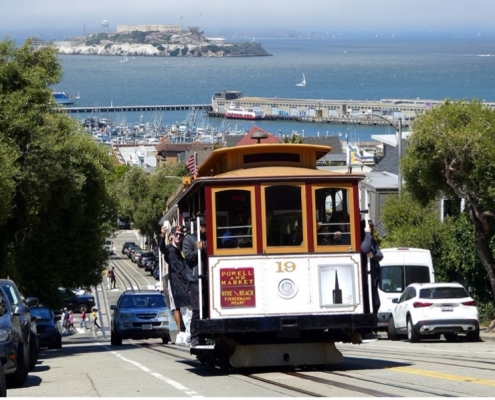
Philip Plotch2026-10-23 15:24:392026-10-23 15:55:39Getting Around California’s Property Tax Restrictions to Fund Transit
https://enotrans.org/wp-content/uploads/2026/10/chicago-transit-and-housin.jpg
837
1254
Grace Truslow
https://enotrans.org/wp-content/uploads/2022/12/Eno-Logo-2.png
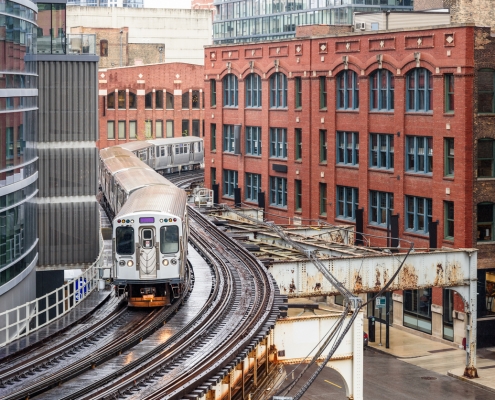
Grace Truslow2026-10-23 14:58:262026-10-27 09:42:12How Can Transit Address the Affordability Crisis?
Refreshing the Status Quo: Federal Highway Programs and Funding Distribution
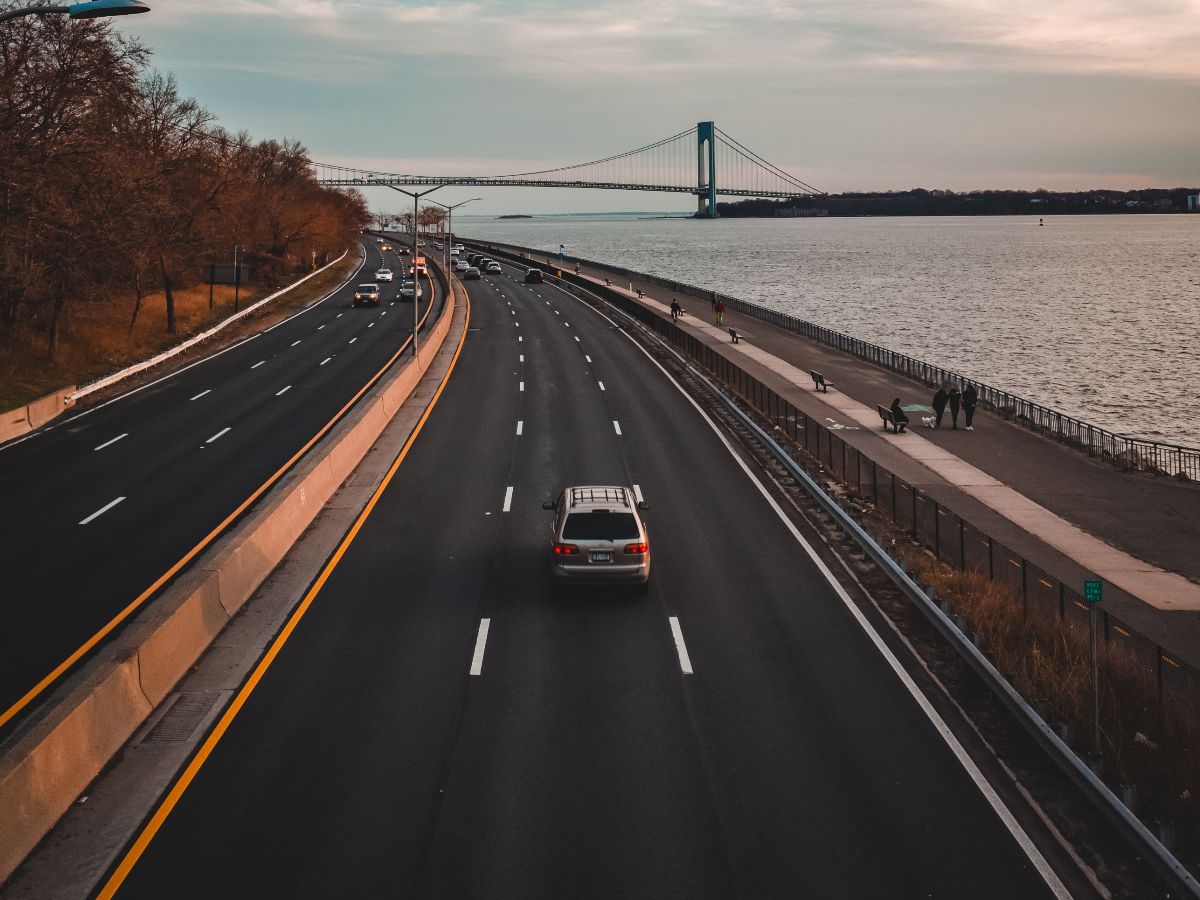
This year, the federal government gave $45.6 billion in highway “formula” funding to the 50 states and the District of Columbia. The state-by-state distribution of this money was based almost entirely on how the states fared on a variety of real-world metrics back in calendar year 2007,...
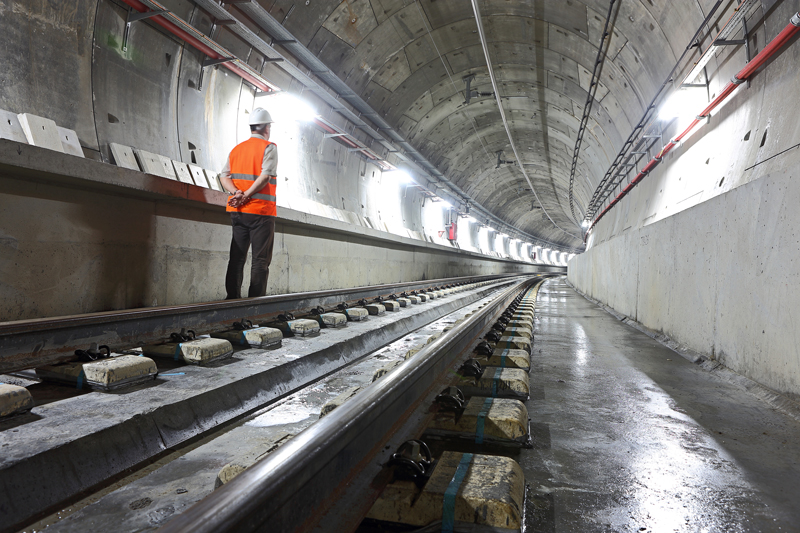
Eno is undertaking a research, policy, and communications project to analyze current and historical trends in transit project delivery